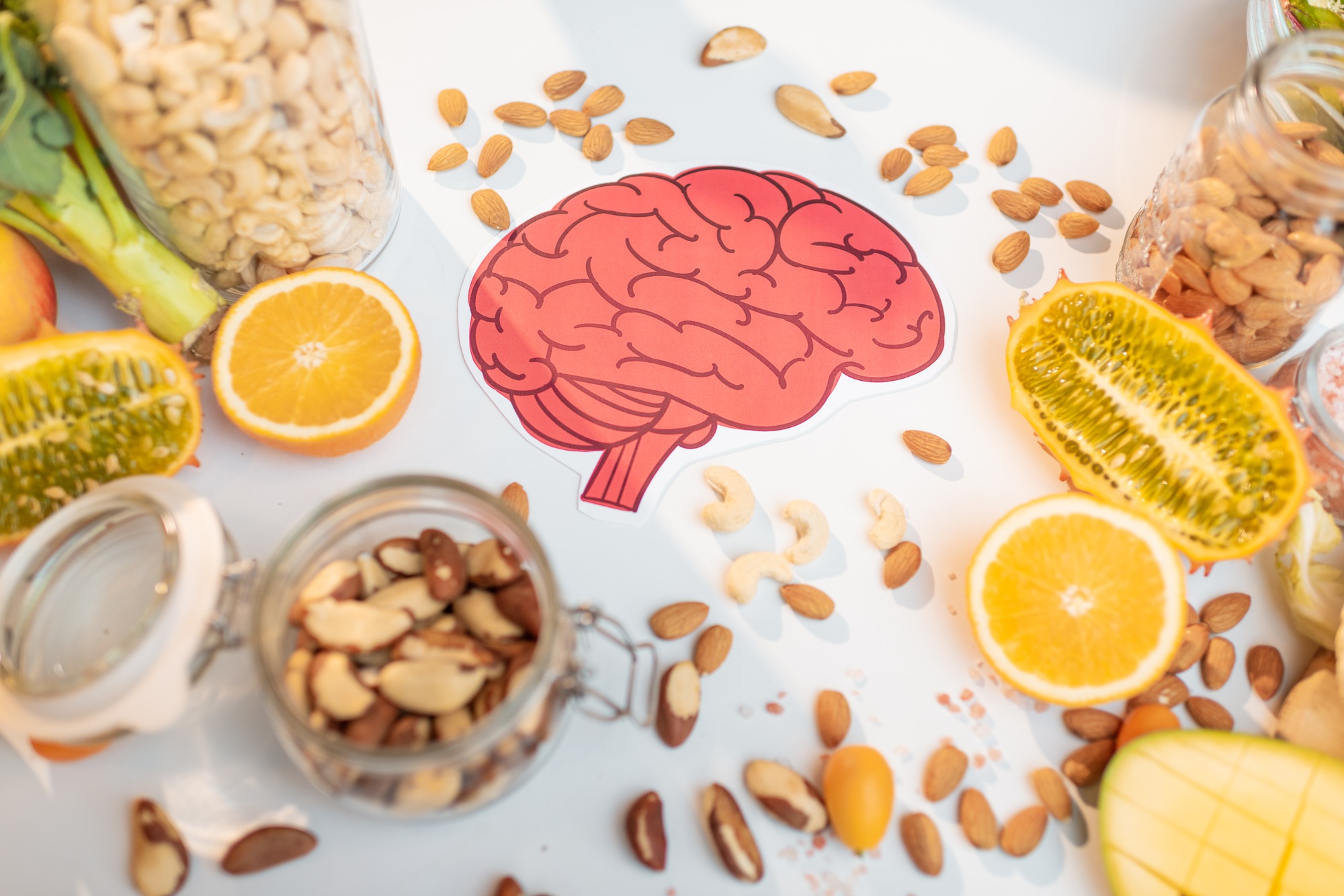
When your body stops responding properly to leptin, hunger signals go unchecked and metabolic balance suffers. This can lead to overeating and fat storage even when your energy needs are already met.
Table of Contents
1. What is Leptin?
Leptin resistance isn’t just a buzzword — it refers to a physiological state in which your body becomes less responsive to leptin, the hormone responsible for regulating hunger and fat storage. As leptin sensitivity drops, hunger signals can stay active even when energy stores are adequate, making sustained weight loss harder to achieve.
When leptin is working well, you feel satisfied after meals and your body naturally regulates hunger and metabolism. (Healthline: Leptin 101)
2. What is Leptin Resistance?
Leptin resistance happens when your brain stops “hearing” leptin’s signals. Even if your body has plenty of leptin (usually from higher body fat), your brain thinks you’re starving. The result? You feel hungry all the time—no matter how much you eat—and your metabolism slows down to “save energy.”
Quick analogy:
Imagine your body is like a car with a broken fuel gauge. Even though the tank is full, the dashboard says “empty.” So you keep adding fuel (eating) even though you don’t need it.
3. Why Does Leptin Resistance Matter?
Leptin resistance is a significant issue because it:
- Makes weight loss extremely difficult
- Increases cravings, especially for sugar and carbs
- Can contribute to fatigue, mood swings, and even depression
- Raises your risk for metabolic syndrome, type 2 diabetes, and heart disease
Symptoms like constant hunger, weight gain despite calorie restriction, and difficulty feeling full may suggest a leptin signaling issue could be the cause. These signs often fly under the radar or get misattributed to poor willpower or other hormones.
Fun fact:
Leptin resistance is one reason why “eat less, move more” doesn’t work for everyone.
Leptin resistance doesn’t happen overnight. It’s usually the result of years of lifestyle factors and metabolic stress, including:
- Chronic overeating, especially of processed foods: Diets high in sugar and fat increase leptin levels. This can dull your brain’s response.
- Inflammation: Chronic low-grade inflammation (from stress, poor diet, lack of sleep) interferes with leptin signaling.
- Lack of physical activity: Sedentary life reduces leptin sensitivity.
- Poor sleep: Even a few nights of bad sleep can mess with leptin and hunger hormones (WebMD).
- High stress: Cortisol (the stress hormone) can block leptin’s effects.
Research highlight:
A study in the journal Cell Metabolism found that people who lack sleep have 15% lower leptin levels. They also feel much hungrier!
5. Symptoms & How to Tell If You’re Leptin Resistant
Most people with leptin resistance don’t know it. Here are the most common signs:
- Persistent hunger, even after eating
- Cravings for sweets, carbs, or junk food
- Difficulty losing weight (or regaining lost weight quickly)
- Fatigue and low motivation
- Trouble focusing or “brain fog”
- Increased belly fat
When the body becomes resistant to leptin, it no longer responds properly to the hormone’s signals. As a result, the brain thinks you’re starving, which drives up hunger and slows down metabolism — a frustrating combination for anyone trying to maintain a healthy weight.
6. The Science Behind Leptin Resistance
How it works:
- Leptin is made by fat cells and travels through the bloodstream to your brain.
- In a healthy system, more body fat = more leptin = less hunger.
- With leptin resistance, your brain doesn’t “see” the leptin signal, so it thinks you’re starving.
- This triggers more hunger and slows your metabolism—making weight loss almost impossible.
Why does it happen?
- Chronic inflammation (from processed foods, stress, and lack of sleep) damages the blood-brain barrier, blocking leptin.
- High triglycerides (from sugary, fatty diets) also block leptin’s entry to the brain.
Key studies:
- NIH: Leptin, Obesity, and Leptin Resistance
- ScienceDirect: Dietary Components in the Development of Leptin Resistance
7. How to Reverse Leptin Resistance (Step-by-Step)
Ready for some action steps? Here’s what the science and experts recommend:
1. Eat Real, Whole Foods
- Focus on veggies, fruits, lean protein, healthy fats, and complex carbs.
- Minimize processed foods, added sugars, and trans fats.
2. Prioritize Protein
- Protein helps you feel full and supports muscle mass.
- Try eggs, Greek yogurt, chicken, beans, or tofu.
3. Get Enough Fiber
- Fiber slows digestion and helps regulate blood sugar.
- Aim for 25–35g/day from sources like oats, beans, berries, and veggies.
Understanding leptin resistance is crucial for anyone struggling with unexplained weight issues.
4. Exercise Regularly
- Both cardio and strength training help restore leptin sensitivity.
- HIIT workouts are especially effective (Women’s Health Network).
5. Sleep 7–8 Hours Per Night
- Poor sleep disrupts hunger hormones and increases cravings.
- Set a regular bedtime and create a calming routine.
6. Manage Stress
- Chronic stress = more inflammation = more leptin resistance.
- Try meditation, yoga, deep breathing, or journaling.
7. Consider Intermittent Fasting
- Some studies suggest fasting can “reset” leptin signaling.
- Try a 12:12 or 16:8 fasting window if it fits your lifestyle.
8. Add Omega-3s
- Found in fatty fish (salmon, sardines), flaxseed, and walnuts.
- Omega-3s help reduce inflammation and improve leptin sensitivity.
9. Address Underlying Health Issues
- Thyroid issues, insulin resistance, and certain medications can worsen leptin resistance. Work with your healthcare provider if needed.
10. Be Patient & Consistent
- Leptin resistance develops over time, so reversing it is a process.
- Celebrate small wins and track your progress!
8. FAQ: Leptin
Q: How long does it take to reverse it?
A: It varies, but many people see better hunger and energy in a few weeks of healthy habits.
Q: Can supplements help?
A: Omega-3s, fiber, and vitamin D may support healthy function, but food first is always best.
Q: Is leptin resistance the same as insulin resistance?
A: No, but they’re often linked. Both can make weight loss more difficult.
Q: Can you test for leptin resistance?
A: There’s no simple blood test. It’s usually diagnosed based on symptoms and risk factors.
9. Helpful Resources & Tools
- YouTube Video:
Ben Bikman – Leptin and Leptin Resistance Explained (embed this for a science-backed visual explanation) - Books:
- The Leptin Diet by Byron J. Richards (affiliate opportunity)
- Why We Get Fat by Gary Taubes
- Apps:
- MyFitnessPal for tracking food and habits
- Headspace or Calm for stress management
- Courses:
10. References
- Leptin, Obesity, and Leptin Resistance (NIH/PMC)
- Leptin Resistance: Role in Diet, Obesity, and Hunger (Verywell Health)
- What It Is, Function, Levels & Leptin Resistance (Cleveland Clinic)
- Leptin and Leptin Resistance: Everything You Need to Know (Healthline)
- Women’s Health Network: Leptin Resistance and Weight Loss
How to Test for Leptin Resistance
Diagnosing leptin resistance isn’t straightforward, as there’s no standard test available for it. However, some doctors may order a serum leptin blood test to check your baseline leptin levels. Elevated leptin, especially in someone who struggles to lose weight despite efforts, can indicate reduced sensitivity to the hormone. More commonly, diagnosis is made based on symptoms, medical history, and patterns like constant hunger, belly fat accumulation, and poor satiety after meals.
Understanding disrupted leptin signaling is key to managing your hunger, metabolism, and long-term body weight. Addressing root causes with diet, movement, and stress reduction may help restore balance over time.
Supplements That May Support Leptin Sensitivity
While no supplement can directly “cure” leptin resistance, several nutrients may support metabolic health and indirectly improve your body’s response to leptin. These should always complement — not replace — foundational lifestyle changes like diet, sleep, and exercise.
- Omega-3 Fatty Acids: Found in fatty fish or fish oil supplements, omega-3s may help reduce inflammation and improve leptin signaling.
- Zinc: This mineral plays a role in insulin and leptin function, and deficiency can impair metabolic regulation.
- Curcumin: The active compound in turmeric, curcumin has anti-inflammatory effects that may indirectly help improve leptin sensitivity.
- Alpha-lipoic acid (ALA): An antioxidant shown to improve insulin sensitivity, which often correlates with leptin sensitivity as well.
Always consult your healthcare provider before starting any supplement regimen.
FAQ: Common Questions About Leptin Resistance
Q: Can you be thin and still have leptin resistance?
Yes — leptin resistance isn’t just a concern for those who are overweight. Even lean individuals can experience poor leptin signaling, especially if inflammation, stress, or disrupted sleep are present. Metabolic issues don’t always show up on the scale.
Q: Is leptin resistance the same as insulin resistance?
They often occur together and share root causes like inflammation and poor diet, but they aren’t the same. Leptin resistance involves disrupted hunger and energy balance, while insulin resistance affects blood sugar regulation. Both contribute to metabolic syndrome and can feed into one another.
Explore more in our related posts: ADHD Morning Routine, Sunday Reset Routine, and Digital Detox Challenge.







Leave a Comment